
Pest control comparison guide
Build an evidence log before requesting a treatment
A useful pest-control call begins with observations, not a request to spray everything. Record the room or outdoor area, time of day, frequency, visible insect or animal features, droppings, wings, tubes, gnawing, nesting material, sounds, odors, damaged surfaces, entry gaps, moisture, and any change since the first sighting. Take safe photos when possible, but avoid handling an unknown pest, damaged material, bait, droppings, or pesticide product.
The same clue can have more than one explanation. Bites, debris, wall noise, wood damage, or a single photo does not establish the pest, the extent of activity, or the correct response. Ask what the company will inspect, what evidence supports its identification, which areas were inaccessible, and what new finding would change the proposal.
The six Omaha profiles below are presented alphabetically with equal treatment. They are not ranked or endorsed. Use the same evidence log and written-plan questions for each company, then confirm current service scope, credentials, availability, property coverage, and contract terms directly.
Choose a service scope before comparing prices
General structural pests, termites, turf applications, rodents, bats, bed bugs, mosquitoes, and recurring prevention are not interchangeable jobs. One call may center on indoor evidence and a Category 08 application. Another may require a wood-destroying-organism inspection, an outdoor credential, trapping and exclusion, specialized heat or chemical preparation, or monitoring over several visits. Ask the company to name the current service scope before discussing a total.
Also separate identification, inspection, pesticide application, trapping, exclusion, cleanup, repair, monitoring, and documentation. A company may offer several of those tasks, but the estimate should say which are included now, which depend on findings, and which require the owner or another specialist.
- Structural pests: ask which interior, attached, exterior-perimeter, crawlspace, attic, or void areas will be inspected.
- Termites and wood-destroying organisms: ask whether the visit is an inspection, treatment proposal, monitoring plan, or real-estate report.
- Rodents and wildlife: separate pesticide use, trapping, removal, sanitation, entry repair, and ongoing exclusion.
- Bed bugs and mosquitoes: confirm preparation, treatment zones, visit sequence, monitoring, and the conditions used to judge progress.
- Recurring prevention: identify covered pests, scheduled tasks, request-only work, renewal, cancellation, and callback terms.
Match the Nebraska credential category to the work
The Nebraska Department of Agriculture says people making structural or lawn-care pesticide applications for hire must be certified and licensed as commercial applicators, including when general-use products are applied. The category matters because it describes the work scope rather than serving as one universal pest-control credential.
Category 08 covers structural and health-related pest control in homes and other structures. Category 08W covers wood-destroying organisms such as termites and carpenter ants. Category 04 addresses ornamental and turf applications, Category 14 covers certain vertebrate pests outside structures, and community-wide vector work has a separate Category 09 boundary. Ask who will perform or supervise the application, which current category applies to the pest and site, and where to verify the record.
- Confirm the applicator name or other record details needed for the current Nebraska lookup.
- Ask whether a termite, lawn, outdoor vertebrate, or community vector scope needs a category beyond general structural work.
- Do not treat registration, certification, licensing, insurance, or a directory profile as a quality endorsement or outcome guarantee.
- Recheck the current record when the service address, pest, treatment area, or person performing the work changes.
Compare a written control plan line by line
A low first-visit price and a larger recurring proposal may cover different evidence, areas, products, prevention tasks, and follow-up. Ask each company to put the target pest, inspection findings, inaccessible areas, treatment zones, products or active ingredients, application method, label-based instructions, nonchemical measures, visit schedule, and reassessment triggers into one written plan.
Preparation and exposure-reduction details belong in that comparison. Request instructions for people, pets, food, dishes, toys, bedding, aquariums, gardens, ventilation, and re-entry. Keep the estimate, service agreement, product or label information provided, service record, photos, monitoring notes, warranty language, and follow-up dates together.
- Evidence: what was observed, where it appeared, and how certain the identification is.
- Zones: rooms, voids, perimeter, yard, garage, attic, crawlspace, inaccessible areas, and monitoring points.
- Methods: products, active ingredients, application techniques, trapping, exclusion, sanitation, moisture work, and monitoring.
- Follow-up: visit timing, measurable signs of progress, retreatments, exclusions, warranty limits, and reassessment conditions.
- Contract: one-time or recurring structure, initial term, renewal, cancellation, price changes, and customer responsibilities.
Separate treatment from the property repairs around it
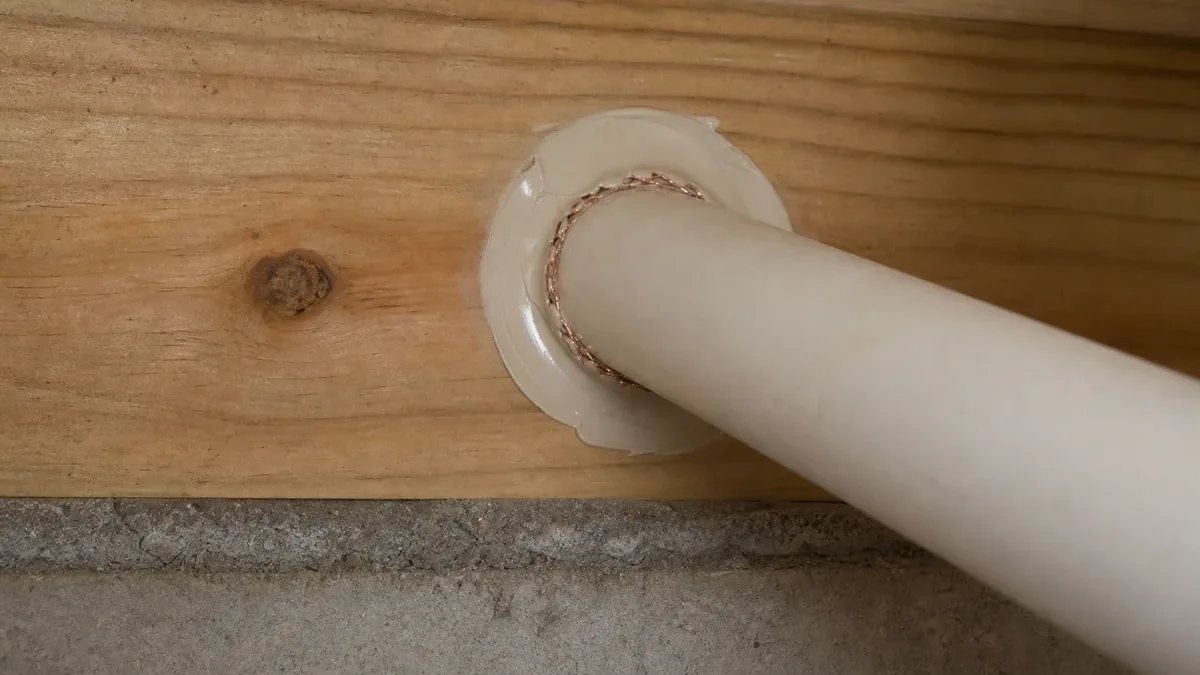
A proposal should define where pest-control responsibility stops. Sealing a pipe gap, adding a door sweep, correcting an active leak, improving drainage, changing waste handling, clearing vegetation, repairing a roof opening, replacing damaged wood, or cleaning a contaminated area may belong to the pest company, the owner, property maintenance, or another trade. Do not assume those tasks are included because they could reduce pest pressure.
Ask for photos or notes identifying the exact openings, moisture sources, sanitation conditions, or repairs discussed. If exclusion is included, request the materials and locations in the written scope. If another trade is needed, keep pesticide work and repair work as separate decisions with clear sequencing.
- Confirm whether the scope stops at the structure, includes attached areas, or extends into lawn and ornamental zones.
- Identify owner, tenant, maintenance, pest-company, and specialist responsibilities before the first treatment.
- Ask which prevention steps are required for the plan and which are optional recommendations.
- Do not use pest service as a substitute for correcting an active leak, unsafe structure, sewage condition, roof opening, or other property hazard.
Use inspection findings to choose one-time or recurring service
One-time service can fit a contained and identified problem when the plan includes appropriate follow-up instructions. Recurring service can fit monitoring, repeated activity, multiple seasonal concerns, or a prevention schedule. The useful comparison is not which format sounds more complete; it is whether the frequency, covered pests, treatment areas, monitoring points, callback rules, and prevention work match the findings.
For a recurring agreement, ask what happens at each scheduled visit, whether interior work is automatic or request-based, how a newly observed pest is handled, and how renewal or cancellation works. For one-time service, ask what evidence should prompt another call, whether a return visit is included, and when lack of progress changes the plan.
Keep Omaha and Council Bluffs credential checks separate
A company may advertise service across the Omaha-Council Bluffs metro, but Nebraska rules apply to Nebraska work. A Council Bluffs or other Iowa address requires its own current credential and regulatory check. Confirm the actual service address before asking which applicator record, category, product rules, and service documents apply.
Do not assume a credential viewed for one side of the Missouri River authorizes the same work on the other side. If a provider serves both states, ask it to identify the person performing the work and the current state-specific record for that appointment.
Prepare the property and the first-visit questions
Before the appointment, organize the evidence log, safe photos, prior service records, product information from earlier treatments, and a list of access constraints. Identify children, pets, aquariums, food areas, sensitive rooms, tenants, stored items, gardens, and any known repair or moisture condition. Follow only the preparation directions provided for the actual plan; do not move a pesticide, disturb a suspected nest, open a wall, or enter an unsafe area to improve the inspection.
- What pest or evidence will the inspection document before treatment is proposed?
- Which current credential category applies to the service address, target pest, and treatment area?
- What areas are inspected, treated, monitored, inaccessible, or excluded?
- What nonchemical steps, preparation, re-entry, and prevention responsibilities are written down?
- How many visits are expected, which signs show improvement, and when will the plan be reassessed?
- What retreatment, warranty, renewal, cancellation, and record-delivery terms apply?
Know when the concern is outside ordinary comparison
A suspected pesticide exposure or poisoning needs current emergency guidance, the product label, and appropriate medical or poison-control help rather than another estimate. Likewise, do not rely on a directory article to diagnose bites, droppings, structural damage, contaminated material, an unsafe animal, or a hidden building condition. Use the appropriate authority or specialist for the immediate risk, then return to provider comparison when the situation is safe.
Omaha pest-control profiles to compare
These six current Omaha profiles publish pest-control services that may fit different property concerns. Review them alphabetically, describe the exact evidence and service address, and ask each company to confirm the inspection, credential, treatment, prevention, and follow-up scope it currently offers.
About this shortlist
Businesses are shown alphabetically. Small Biz Trackers does not rank, endorse, license, insure, or guarantee the companies listed in this guide.

Fenix Pest Control, Inc.
Pest Control Omaha, NE
Serving Omaha, NE
Fenix Pest Control, Inc. publishes residential and commercial inspection, removal, and prevention services in Omaha. Ask what evidence the inspection will document, which areas and pest types fit the current scope, which credential applies, and how preparation, prevention, treatment, and follow-up will be written.
Midwest Pest Control
Pest Control Omaha, NE
Serving Omaha, NE
Midwest Pest Control publishes residential, rodent, mosquito, and commercial pest-control services. Confirm whether the concern is structural, outdoor, rodent, mosquito, or another scope and ask how inspection evidence, monitoring, exclusion, products, visits, and contract terms differ.
Miller Pest & Termite
Pest Control Omaha, NE
Serving Omaha, NE
Miller Pest & Termite publishes inspection-led residential and commercial pest-control plans for Omaha. Ask whether the visit addresses general pests, termites or other wood-destroying organisms, monitoring, treatment, or a separate inspection report and which current credential category applies.
Pest Solutions
Pest Control Omaha, NE
Serving Omaha, NE
Pest Solutions publishes residential, commercial, termite, rodent, bed-bug, mosquito, and integrated pest-management services. Confirm the exact property and pest fit, then compare inspection details, nonchemical measures, products, preparation, re-entry, follow-up, and recurring-plan boundaries.
Pratt Termite & Pest Control
Pest Control Omaha, NE
Serving Omaha, NE
Pratt Termite & Pest Control publishes pest, termite, bed-bug, rodent, and wood-destroying-insect inspection services. Ask whether the appointment is an inspection, treatment, monitoring plan, or real-estate report and how evidence, credential category, retreatment, warranty, and records are defined.
Pro-Staff Pest Solutions, Llc
Pest Control Omaha, NE
Serving Omaha, NE
Pro-Staff Pest Solutions, LLC publishes pest, termite, bed-bug, bat, rodent, and real-estate inspection services in Omaha. Confirm whether pesticide application, trapping, exclusion, repair, termite work, or documentation is proposed and which responsibilities, credentials, visits, and follow-up are included.
Want to compare more pest-control profiles? Browse Omaha pest-control profiles
Common questions
What should I document before calling an Omaha pest-control company?
Record the exact location, timing, frequency, visible features, droppings, wings, tubes, gnawing, sounds, damage, entry gaps, moisture, prior treatments, and safe photos. Also note property access, people, pets, food areas, sensitive rooms, and adjoining units. Share observations without diagnosing the pest yourself.
What is the difference between Nebraska pesticide categories 08 and 08W?
Nebraska Category 08 covers structural and health-related pest control in homes and other structures. Category 08W covers pesticide work for wood-destroying organisms such as termites and carpenter ants. Ask which current category applies to the proposed work and verify the applicator record with the Nebraska Department of Agriculture.
How should I compare one-time and recurring pest-control plans?
Compare the inspection findings, covered pests and areas, tasks performed at each visit, monitoring, prevention, return visits, callback rules, reassessment triggers, initial term, renewal, cancellation, and price-change terms. Match the service format to the documented problem instead of assuming recurring or one-time work is automatically better.
What should a written pest-control plan include?
Request the target pest, inspection evidence, inaccessible areas, treatment and monitoring zones, products or active ingredients, application methods, nonchemical steps, preparation, re-entry instructions, visit schedule, signs used to measure progress, retreatment or warranty limits, contract terms, and customer responsibilities.
When might pest exclusion, moisture repair, or another trade be separate?
Entry sealing, door or screen work, active leak repair, drainage, sanitation, roof openings, damaged wood, structural work, and wildlife exclusion may fall outside the pesticide application. Ask who owns each task, which locations and materials are included, and how the work should be sequenced.
Do Nebraska pest-control credentials apply to a Council Bluffs property?
Do not assume they do. Nebraska credential guidance applies to Nebraska work, while an Iowa service address requires a current Iowa-specific check. A company serving both sides of the metro should identify the person performing the work and the applicable state record for that address.