
Water, fire, smoke, mold, sewage, and storm-loss planning
Make the property safe before comparing restoration bids
Property damage can create two decisions at once: how to keep people away from danger and how to choose the company that will stabilize the loss. Leave or avoid any area with fire, electrical, structural, sewage, contaminated-water, or heavy mold concerns, and follow instructions from emergency authorities. If the area is safe to approach, document visible damage and stop an active water source only when that can be done without entering a hazardous space.
A useful first call gives the restoration company a clear picture: the suspected source, when the loss began or was discovered, affected rooms and materials, visible water or soot, safety concerns, and whether fire, utility, plumbing, roofing, or other emergency work is already involved. Contact your insurer promptly, but remember that a contractor can describe proposed work while the insurer decides coverage under the policy.
Start with the loss you need stabilized
Restoration is a sequence, not one interchangeable cleanup service. Water work may involve extraction, moisture mapping, selective material removal, structural drying, and decisions about cleaning or antimicrobial products. Sewage or other potentially contaminated water calls for a company to explain containment, removal, disposal, and safety boundaries rather than asking an occupant to investigate.
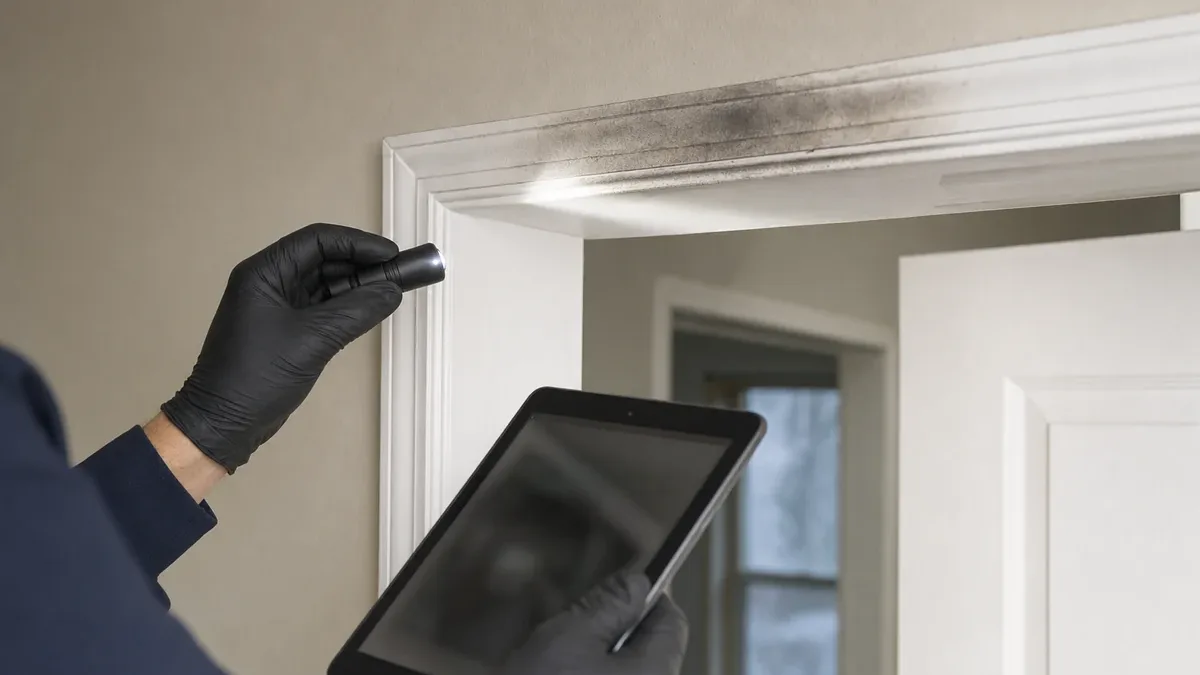
Fire and smoke work may address soot, odor, contents, and different cleaning decisions for different materials. Mold remediation should address the moisture source and define an appropriate containment and removal scope; cosmetic cover-up does not resolve moisture. EPA mold guidance emphasizes moisture control and explains why the extent of damage and type of water can change whether professional help is appropriate.
Contents handling can include inventory, pack-out, storage, cleaning, and return. Reconstruction is a later phase that repairs removed or damaged finishes after the structure is ready. Ask which phases a company performs, which it coordinates, and which require a separate trade or contract. Do not rely on a broad full-service label without a written, loss-specific scope.
Prepare a useful first-call summary
Have the property address, a safe callback number, when the problem began, the source if known, whether the source has stopped, and the rooms or levels affected. Note standing water, soot, odor, or suspected mold without entering an unsafe area. Share utility or fire-department instructions, access limits, vulnerable occupants, photographs already taken, and insurer contact or claim information if available.
Ask the responder to separate what it can do immediately from work that depends on inspection, testing, authorization, or another specialist. Confirm the current arrival window and service area for your address; emergency language on a website is not a guarantee for a particular time or location.
Compare the stabilization plan in writing
Ask each company to outline the proposed sequence: safety exclusions, source control or trade handoff, extraction, moisture inspection, containment, equipment placement, monitoring visits, material-removal authorization, contents handling, cleaning, completion criteria, and repair handoff. Confirm who supervises the project, whether subcontractors will be used, and what happens if the crew discovers new damage or an unsafe condition.
For drying work, ask where moisture readings will be taken, how progress will be recorded, and what supports equipment removal. For smoke work, ask how the team will distinguish contents cleaning, surface cleaning, odor treatment, and material replacement. For mold or sewage concerns, ask for a clear containment and disposal plan and any testing or specialty-provider boundaries. These are scope questions, not a request for the owner to diagnose contamination.
Compare documentation, insurer communication, and changes
The restoration company and insurance adjuster have different roles. Ask what photographs, room notes, moisture readings, equipment logs, contents inventories, estimates, invoices, and completion documents you will receive. Confirm who shares documents with the insurer and whether you will receive copies. Iowa Insurance Division post-disaster guidance discusses documenting loss, contacting an insurer, checking contractors, and reviewing contracts.
Before work expands, request a written estimate or authorization that states the pricing basis, emergency authorization limit, exclusions, payment responsibilities, cancellation terms, change-order process, and responsibility for denied or out-of-scope work. Ask how subcontractors and possible lien terms are handled. If hidden damage changes the plan, require a stop-and-notify process so you can review the added scope and price.
Separate remediation from reconstruction
A company may handle both phases, perform only stabilization and remediation, or coordinate repairs through other providers. Ask who decides the property is ready for reconstruction, which materials are being removed, whether one or separate contracts apply, and who handles project-specific permits when required.
The source of damage may require a separate plumber, roofer, electrician, tree professional, or structural specialist. Confirm who coordinates each handoff instead of assuming the restoration crew performs every repair. Keep source control, post-loss cleanup, and reconstruction responsibilities distinct in the estimate.
Put the same cost factors in every estimate
Restoration cost depends on the loss type, potential contamination, affected area, number of rooms or levels, access, materials, water or soot migration, debris, containment, equipment quantity, monitoring duration, contents handling, specialty testing, after-hours mobilization, permits where applicable, and reconstruction. Compare proposals using the same scope, assumptions, exclusions, completion standard, documents, and change-order rules, not the lowest total alone.
Use storm history as context, not a current warning
National Weather Service Des Moines records historical severe wind, hail, tornado, and derecho events in central Iowa, including the July 15, 2024 Des Moines metro tornado and derecho event. That history is not a current warning. For storm-related damage, ask who handles roof or tree source control, temporary protection, water intrusion, contents, and later repairs.
Where contractor registration applies, use current Iowa DIAL contractor records while recognizing that registration is not an endorsement or proof of competence. Verify insurance directly and put the scope, payment terms, changes, and closeout requirements in writing. Iowa's official post-disaster consumer guide can help organize those questions after a loss.
Close out the loss before repairs are covered
At the final walk-through, review affected areas, removed and retained materials, contents inventory, equipment removal, drying or remediation completion records, unresolved odor or moisture concerns, cleaning, repair scope, keys, photographs, and invoices. Keep only warranties actually provided, plus a current contact for recurrence questions.
Correct the original leak or exterior entry point and follow current professional recommendations for drying and ventilation. Maintain relevant plumbing, roofing, gutters, sump or pump equipment, and drainage. Do not cover or rebuild over unresolved moisture.
Des Moines restoration profiles to compare
These three Des Moines Restoration Services profiles describe post-loss water, fire, smoke, mold, sewage, storm, or reconstruction work. Confirm the exact scope, current availability, service area, response window, documentation, insurance coordination, and repair responsibility directly for your property.
About this shortlist
How these businesses are ordered: Small Biz Trackers first filters for restoration profiles that serve Des Moines. The featured list is then ordered by user recommendation percentage first and Listing Score second. Listing Score reflects profile completeness and usefulness based on available listing information; it is not a customer rating, endorsement, license check, or insurance verification.

Elite Restoration Services of Iowa
Restoration Services Des Moines, IA
Serving Des Moines, IA
Elite Restoration Services of Iowa describes water, fire, mold, sewage, commercial, and storm restoration and identifies a Des Moines office. The profile may be relevant when the loss needs containment plus drying or cleanup. Confirm current availability, the contamination or containment plan, documentation deliverables, service area, and whether reconstruction is included in the proposed work.
FIRST ONSITE Property
Restoration Services Des Moines, IA
Serving Des Moines, IA
FIRST ONSITE Property describes water, fire and smoke, storm, mold, and reconstruction services from its Des Moines location. That range may fit a loss likely to move from emergency stabilization into repairs. Confirm which emergency, contents, documentation, and reconstruction phases the local team will perform itself, which require partners, and the current response window for your address.
911 Restoration of Central Iowa
Restoration Services Des Moines, IA
Serving Des Moines, IA
911 Restoration of Central Iowa describes water damage, fire and smoke damage, mold, sewage backup, and commercial restoration on its local site. That scope may fit owners comparing several post-loss services through one contact. Confirm the exact service area, current arrival window, any testing or specialty partners, the records you will receive, and how repair work is handed off.
Compare the current Des Moines Restoration Services category Browse Des Moines restoration services
Common questions
What should I do before a restoration company arrives?
Keep people away from unsafe areas and follow emergency-authority instructions. If it is safe, photograph visible damage, note when it began, contact your insurer, and gather access and source information. Do not enter fire-damaged, electrically unsafe, structurally suspect, sewage-contaminated, or heavily mold-affected spaces to investigate.
How do I choose between a water, fire, mold, or full-service restoration company?
Match the company to the actual phases required. Ask whether it handles extraction and drying, smoke and odor work, containment and remediation, contents, specialty testing, and reconstruction. Request a written explanation of what is included, coordinated, subcontracted, or excluded.
Does the restoration company or insurance adjuster decide what is covered?
The insurer decides coverage under the policy. A restoration company can document conditions, propose work, and provide estimates, but it should not promise that a service will be covered. Ask for copies of documents sent to the insurer and clarify your payment responsibility.
What documentation should a restoration company provide?
Depending on the work, ask for photographs, room notes, moisture readings, equipment logs, contents inventories, written estimates, change orders, invoices, and completion records. Agree at the start on which documents you will receive and when.
Is remediation the same as reconstruction?
No. Remediation or stabilization addresses damaged or contaminated materials and prepares the property for the next phase. Reconstruction repairs or replaces materials afterward. One company may offer both, but the scopes, readiness decision, permits, and contracts should be clear.
How should I compare Des Moines restoration estimates?
Compare the same affected areas, work sequence, materials, equipment, monitoring, contents work, documentation, exclusions, completion standard, and change-order terms. Confirm current availability and service area separately, and ask questions when one proposal assumes work another does not include.
Related directory pages
- Browse all Des Moines service businesses
- Browse Des Moines restoration services
- View the FIRST ONSITE Property profile
- View the Elite Restoration Services of Iowa profile
- View the 911 Restoration of Central Iowa profile
- Read the Des Moines plumbing guide
- Read the Des Moines roofing guide
- Read the Des Moines tree service guide
- Recommend a missing local business